
How EMDR helps heal trauma in First Responders
First responders are routinely exposed to situations most people will never encounter — critical incidents, traumatic loss, violence, medical emergencies, and repeated high-stress calls.
Over time, these experiences can impact the nervous system and the brain in powerful ways.
If you are a police officer, firefighter, paramedic, dispatcher, or correctional worker in Barrie or Simcoe County, you may be wondering:
Does EMDR actually work for trauma?
The short answer is yes — and it’s one of the most research-supported trauma therapies available.
What Is EMDR Therapy?
Eye Movement Desensitization and Reprocessing (EMDR) is an evidence-based psychotherapy developed to help people process traumatic memories that feel “stuck.”
Unlike traditional talk therapy, EMDR does not require you to retell every detail of a traumatic event.
Instead, EMDR works by helping the brain reprocess distressing memories so they are no longer emotionally overwhelming.
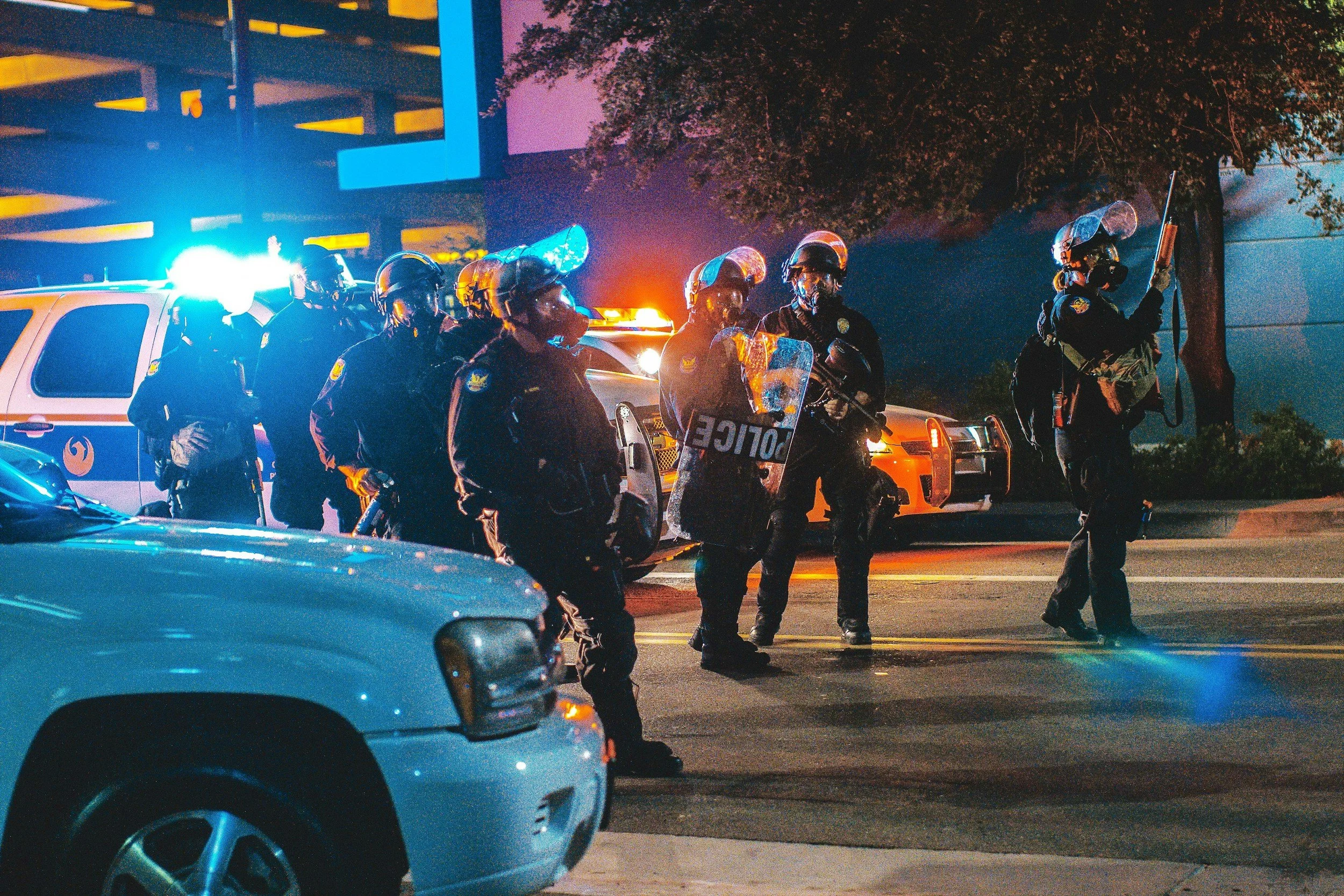
How Trauma Affects the First Responder Brain
When a critical incident happens, the brain shifts into survival mode.
The limbic system (our alarm centre) activates rapidly.
The prefrontal cortex (our rational thinking centre) can go offline.
For many first responders, the brain never fully “resets” after repeated exposure.
This can show up as:
Hypervigilance
Irritability or anger
Emotional numbness
Sleep disturbance
Intrusive memories
Increased startle response
Difficulty transitioning home after shift
EMDR helps the brain complete the processing that did not happen at the time of the incident.
How EMDR Works for First Responders
During EMDR sessions:
You identify a distressing memory or trigger.
You focus briefly on the image, body sensations, and beliefs connected to it.
Bilateral stimulation (eye movements, tapping, or auditory tones) is used.
The brain begins to reprocess the memory in a more adaptive way.
Over time, the memory feels less intense.
The nervous system calms.
The body no longer reacts as if the event is happening now.
Many first responders report:
Reduced reactivity on shift
Better sleep
Less emotional spillover at home
Increased ability to stay present
Is EMDR Evidence-Based?
Yes.
EMDR is recognized by major health organizations worldwide as an effective treatment for PTSD and trauma-related disorders.
Research shows EMDR can significantly reduce symptoms of PTSD, anxiety, and occupational stress injury.
It is particularly helpful for:
Single-incident trauma
Cumulative trauma exposure
Line-of-duty critical incidents
Moral injury
How Long Does EMDR Take?
This depends on:
The complexity of trauma history
Whether trauma is single-incident or cumulative
Current stress levels
Nervous system regulation capacity
Some individuals experience meaningful relief in a few sessions.
Others benefit from a longer course of treatment.
EMDR Therapy for First Responders in Barrie
At Mind Shift Therapy & Neurofeedback in Barrie, Ontario, we specialize in trauma treatment for first responders.
All of our therapists are trained in EMDR and trauma-focused modalities.
We understand:
The culture of policing and emergency services
Confidentiality concerns
Shift work and scheduling realities
The impact trauma can have on families
Seeking support is not a sign of weakness.
It is a sign of nervous system overload — and overload can be treated.
Frequently Asked Questions
Does EMDR require me to talk about every detail?
No. EMDR does not require detailed retelling of traumatic events.
Can EMDR help even if the trauma happened years ago?
Yes. Trauma memories can remain unprocessed for decades.
Is EMDR covered by insurance?
Most extended health benefits cover EMDR when provided by a Registered Psychotherapist.
When to Consider EMDR
If you notice:
You feel “on edge” even off shift
You avoid certain calls or reminders
You struggle with sleep
Your family says you seem different
You feel emotionally disconnected
It may be time to speak with a trauma-informed therapist.
If you are a first responder in Barrie or surrounding communities and would like to explore EMDR therapy, you can book a consultation through our website.