
Therapy for Families & Spouses of First Responder
Therapy Services for Families of First Responders
Helping spouses invest in themselves to create stronger relationships and a happier home life.

Coming from Experience
First responders face unique challenges, protecting their emotions while working and often struggling to re-engage emotionally with family. This can result in the spouse coping with their partner’s usually stoic and ’emotionless’ exterior, resulting in frustration, anger, and conflict that pushes them further apart. The clinic owner and several therapists are partners with first responders and understand this lifestyle’s complexities and nuances. They know the toll it can take on your family and you as an individual. They take this experience into all aspects of their practice so that when you work together, they can help you remember who “you” are while also repairing disconnection and honouring the specific needs of your relationship and family. All of the therapists at Mind Shift Therapy “get it.”

What to expect…
Using evidence-based approaches, we can help you create new ways of relating to your partner and asking for what you want and need. You’ll reduce conflict, improve communication, and cultivate that strong connection that brought you together in the first place.
Finding the right support
It is possible to feel seen, appreciated and fulfilled in your relationship amid this demanding lifestyle and schedule. We can help you get there.
Get back in touch with yourself.
Cultivate a deeper connection with your partner.
Process the ways this lifestyle has impacted you as an individual, as well as your relationship and your family.
How We Support Families of First Responders
What We Specialize In:
You fell in love for a reason, but that got lost somewhere in the long hours, night shifts, overtime and stress of such a demanding career.
Vicarious Trauma
Depression & Anixety
Improving Communication of Needs
Feelings of Loss of Self
Infidelity & Loneliness
-
Nurturing your mental agility and emotional stability is vital when you’re the backbone of a first responder’s support system. NeurOptimal Neurofeedback offers a non-invasive approach to optimize brain function, making coping with stress and change more manageable.
-
Being close to a first responder often means sharing the emotional load of traumatic experiences. EMDR (Eye Movement Desensitization and Reprocessing) therapy can help you process these vicarious traumas, relieving stress and enhancing emotional wellness.
-
Being in a relationship with a first responder comes with its emotional hurdles. Brainspotting can offer targeted relief from anxiety, stress, and other emotional difficulties you may be experiencing.
-
Living with a first responder can sometimes lead to negative thought patterns and behaviours. Cognitive Behavioral Therapy (CBT) focuses on helping you identify and change these patterns, improving your emotional well-being and family dynamics.
-
It’s not just about spotting problems; it’s about finding solutions. Solution-focused therapy provides a strengths-based approach, helping you and your family build resilience and find practical solutions to everyday challenges.
-
Mindfulness isn’t just a buzzword; it’s a critical skill for first responders. Engaging with the present moment without judgment can help you better manage stress and make more effective decisions under pressure.
Our Therapists Who Support Families of First Responders
-
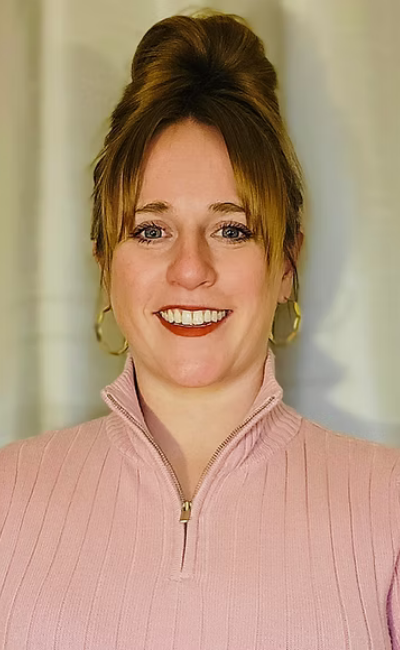
![A woman with light skin and red hair styled in an updo, wearing a pink zip-up sweater with a collar and gold hoop earrings, smiling at the camera.]()
Emily Collins
REGISTERED PSYCHOTHERAPIST (QUALIFYING)
In-Person & Online Therapy Available
Specialties: EMDR, Families of First Responders, First Responders
-
![A woman with shoulder-length brown hair sits at a wooden desk, smiling at the camera. She is wearing a black blazer over a white blouse. There is a stack of books, a coffee mug, a smartphone, and an open laptop on the desk. A wooden sign or plaque with the word 'MINDS' is in the foreground, and a leafy plant is partially visible in the lower left corner.]()
Michelle Farrow
CLINIC OWNER & DIRECTOR, REGISTERED PSYCHOTHERAPIST
In-Person & Online Therapy Available
Specialties: EMDR, Families of First Responders, First Responders, Maternal Mental Health, Perinatal Health
-
![A woman sitting at a desk with a laptop, smiling at the camera. The desk has a stack of books, a mug, and a wooden sign that says 'Mind Shift'.]()
Vanessa Robertson
REGISTERED PSYCHOTHERAPIST (QUALIFYING)
In-Person & Online Therapy Available
Specialties: General Therapy, EMDR, Families of First Responders, First Responders
-
![A woman in a white blouse and dark pants standing in front of a white curtain.]()
Alex Telford
REGISTERED PSYCHOTHERAPIST
In-Person & Online Therapy Available
Specialties: General Therapy, EMDR, Families of First Responders, First Responders, Maternal Mental Health, Perinatal Health
-
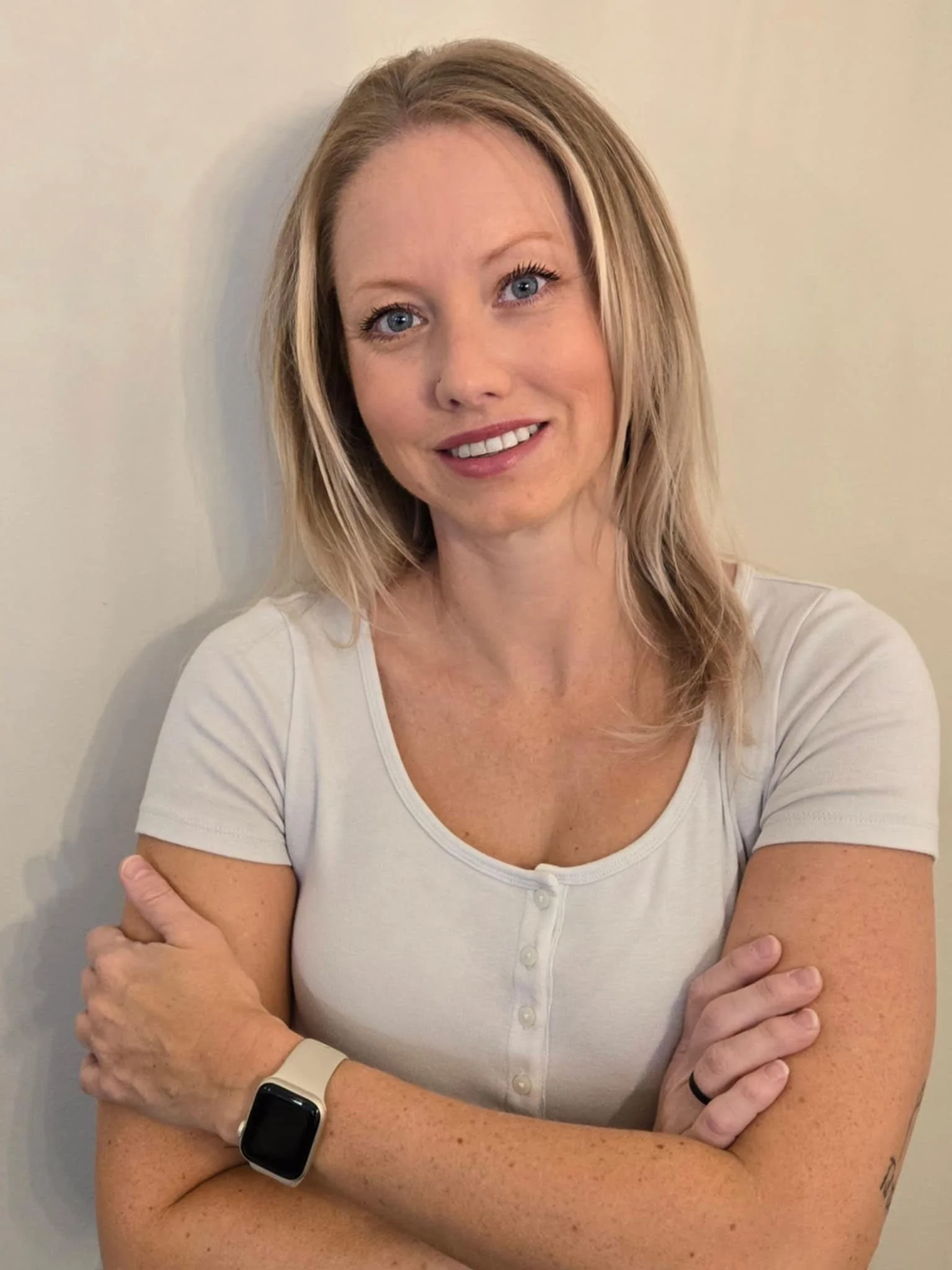
![A woman with blonde hair smiling and crossing her arms, wearing a light-colored top and a smartwatch on her left wrist, standing against a plain wall.]()
Courtney Toner
MASTER OF SOCIAL WORK, PSYCHOTHERAPIST
Online Therapy Available
Specialties: EMDR, Families of First Responders, First Responders, Maternal Mental Health, Perinatal Health
-
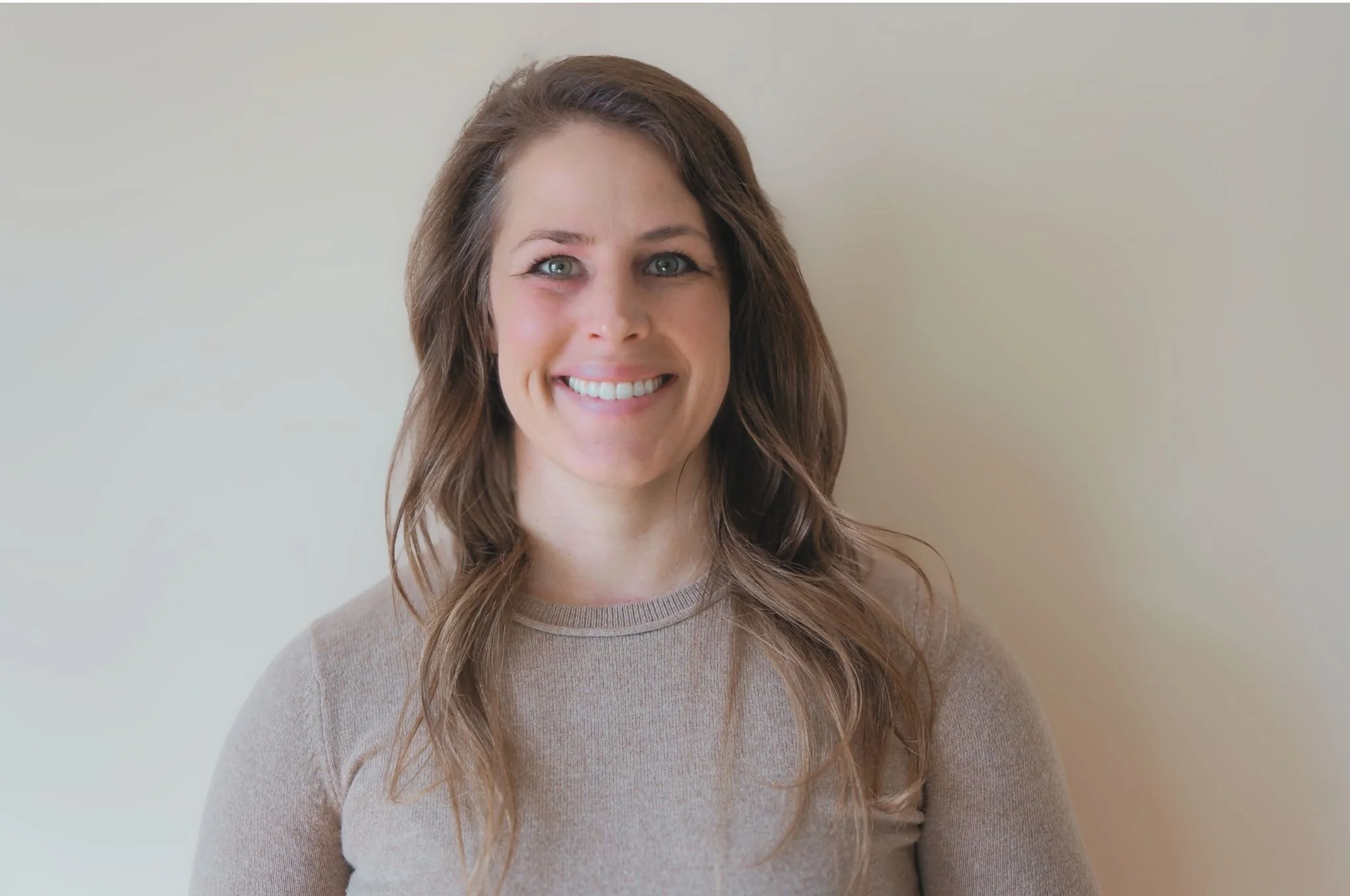
![A young woman with long, wavy brown hair, smiling, standing against a light gray stone wall, wearing a fitted maroon long-sleeve shirt.]()
Elyse Schweighofer
REGISTERED PSYCHOTHERAPIST
In-Person & Online Therapy Available
Specialties: General Therapy, EMDR, Families of First Responders, First Responders, Couples
-
![Rachel Bickley]()
Rachel Bickley
REGISTERED PSYCHOTHERAPIST (QUALIFYING)
In-Person & Online Therapy Available
Specialties: Perinatal/Postpartum, Couples, First Responders, Families of First Responders




We’re Here to Help.
Get matched with a therapist suited for your needs, by reaching out below.
Ready to Get Started?
Book your free 15 minute consultation below.