

Understanding Trauma in Adulthood: Recognize the Impact, Find Compassionate Support
Trauma Therapy for Adults
Trauma is the mind and body's response to events that overwhelm a person’s ability to cope. It can come from a single life-threatening incident - such as an assault or serious accident - or from repeated exposure to stress, as often experienced by first responders, healthcare workers, and survivors of abuse. In trauma-focused therapy for adults, we understand how these experiences shape thoughts, emotions, relationships, and physical health, and we work with clients to restore safety, regulate symptoms, and reclaim a sense of control.
Trauma Therapy for Adults
Trauma can affect the way you feel, think, relate to others, and move through everyday life. Sometimes the impact is connected to one specific event. Other times, it develops after repeated experiences, difficult relationships, loss, or prolonged periods of stress.
At Mind Shift Therapy, we provide specialized trauma therapy for adults who want to better understand what they have experienced, reduce the impact trauma is having on their lives, and feel more grounded, connected, and like themselves again.
Our therapists use evidence-based, trauma-focused approaches tailored to each client’s individual needs. Trauma therapy is available in person in Barrie, Ontario, and virtually across Ontario.

General Trauma
Trauma can develop after an experience that overwhelms your ability to cope or leaves you feeling unsafe, powerless, or deeply affected.
This may include experiences such as an accident, loss, medical event, difficult relationship, sexual trauma, workplace incident, childbirth experience, or other distressing event.
After trauma, you may notice changes in your emotions, thoughts, relationships, sleep, or ability to feel safe. You might feel anxious, irritable, disconnected, overwhelmed, or constantly on guard. Certain situations may trigger strong emotional or physical reactions, even when you know logically that you are safe.
Trauma therapy can help you process what happened, understand your responses, and reduce the hold those experiences continue to have on your present life.
Complex Trauma
Complex trauma typically develops through repeated or prolonged experiences rather than one single event.
It can be associated with childhood abuse or neglect, difficult family environments, unsafe or unpredictable relationships, repeated betrayal, chronic emotional abuse, attachment injuries, or other experiences where safety and trust were repeatedly disrupted.
Complex trauma can affect much more than memories of the past. It may influence the way you see yourself, how you respond to stress, your ability to trust others, your relationships, boundaries, emotional regulation, and your sense of safety in the world.
You may find yourself:
constantly anticipating something going wrong
feeling highly sensitive to rejection or conflict
struggling to trust or feel secure in relationships
becoming emotionally overwhelmed or shutting down
feeling responsible for other people’s emotions
experiencing shame or self-blame
having difficulty setting boundaries
feeling disconnected from yourself
repeating patterns you understand intellectually but find difficult to change
Trauma therapy can help you understand how these patterns developed and begin creating new ways of responding that feel safer, more flexible, and more connected to who you are now.

PTSD
Post-traumatic stress disorder can develop after experiencing or witnessing a traumatic event. For some people, symptoms begin shortly afterward. For others, they may emerge months or even years later.
PTSD symptoms can include:
intrusive memories or flashbacks
nightmares
avoiding reminders of what happened
feeling constantly alert or on edge
exaggerated startle responses
irritability or anger
difficulty sleeping
emotional numbness
difficulty concentrating
strong physical reactions to reminders of the trauma
Not everyone who experiences trauma develops PTSD, and you do not need a formal diagnosis of PTSD to seek trauma therapy.
Our therapists can help you better understand your symptoms and develop a treatment plan based on your experiences, goals, and readiness.

How We Treat Trauma
At Mind Shift Therapy, we recognize that there is no single approach that is right for every person.
Depending on your needs and your therapist’s training, treatment may incorporate approaches such as EMDR, Deep Brain Reorienting, Cognitive Processing Therapy, CBT, nervous-system regulation, mindfulness, and attachment-or parts-informed therapy.
The goal is not to erase what happened. It is to help your brain and nervous system recognize that the experience is no longer happening now, so that the past has less power over your present.
Ready to Begin?
Finding the right therapist is especially important when working with trauma.
Our team includes therapists with advanced training in trauma-focused approaches, and we can help match you with a clinician whose experience and style fit what you are looking for.
Trauma therapy is available in person in Barrie and virtually across Ontario.
Book a complimentary consultation to get started.
Our Trauma & PTSD Therapists
-
![A woman with brown hair styled in an updo, wearing a pink zip-up sweater and gold hoop earrings, smiling at the camera.]()
Emily Collins
REGISTERED PSYCHOTHERAPIST (QUALIFYING)
In-Person & Online Therapy Available
Specialties: EMDR, Families of First Responders, First Responders
-
![A woman sitting at a desk with a laptop, smartphone, and stacked books, smiling at the camera in a bright office.]()
Michelle Farrow
CLINIC OWNER & DIRECTOR, REGISTERED PSYCHOTHERAPIST
In-Person & Online Therapy Available
Specialties: EMDR, Families of First Responders, First Responders, Maternal Mental Health, Perinatal Health
-
![A woman sitting at a desk with a laptop, smiling, with a stack of books, a white mug, and a decorative wood piece on the desk.]()
Vanessa Robertson
REGISTERED PSYCHOTHERAPIST (QUALIFYING)
In-Person & Online Therapy Available
Specialties: General Therapy, EMDR, Families of First Responders, First Responders
-
![A woman with light skin and brown hair tied back, wearing a white button-up blouse and dark jeans, standing with one hand on her hip in front of a cream-colored curtain.]()
Alex Telford
REGISTERED PSYCHOTHERAPIST
In-Person & Online Therapy Available
Specialties: General Therapy, EMDR, Families of First Responders, First Responders, Maternal Mental Health, Perinatal Health
-
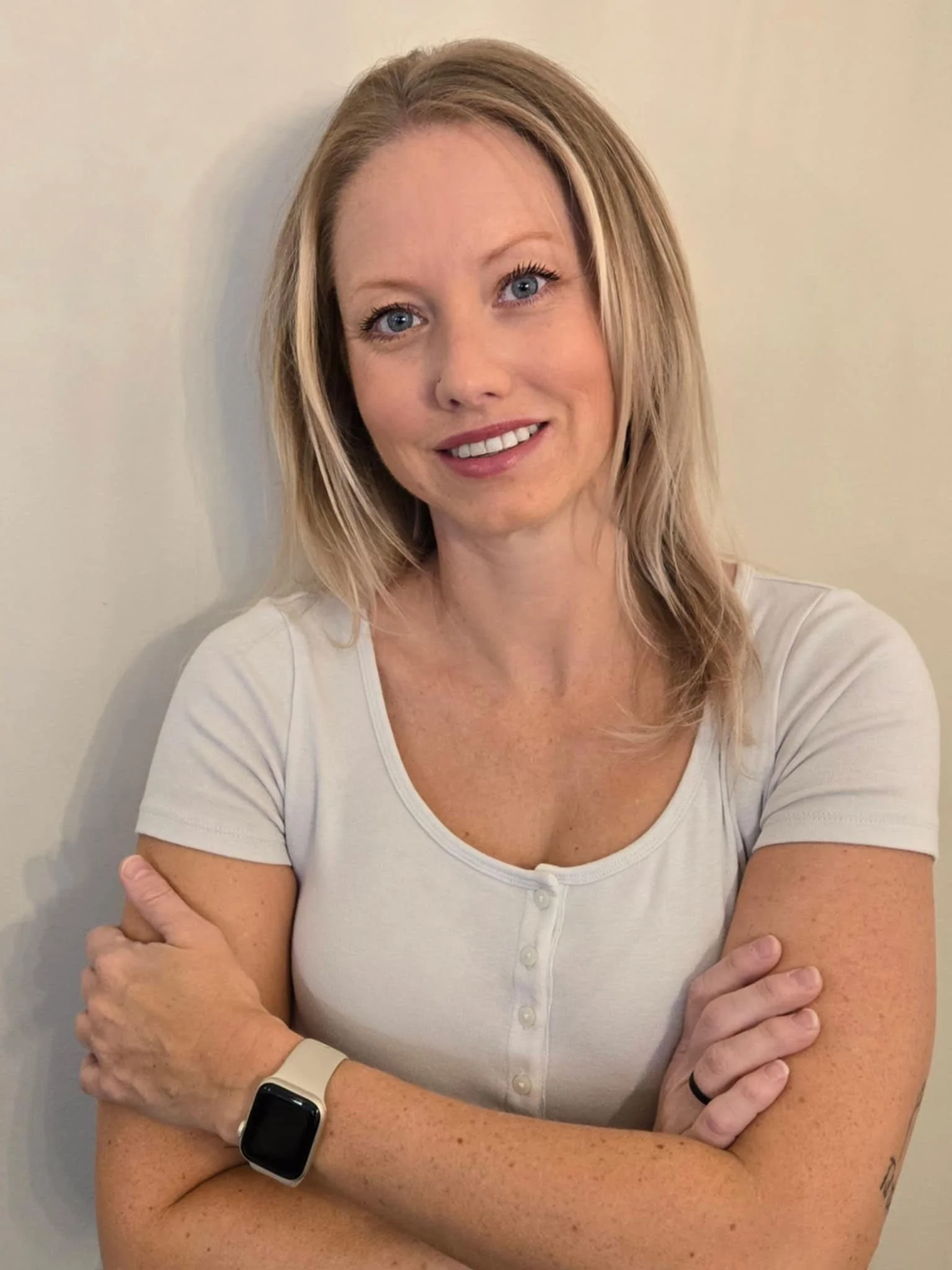
![A woman with blonde hair and blue eyes, smiling, wearing a white short-sleeved top and an Apple Watch on her left wrist, standing against a plain light-colored background.]()
Courtney Toner
MASTER OF SOCIAL WORK, PSYCHOTHERAPIST
Online Therapy Available
Specialties: EMDR, Families of First Responders, First Responders, Maternal Mental Health, Perinatal Health
-
![A young woman with long brown hair, smiling, wearing a maroon long-sleeve shirt standing against a light stone wall.]()
Elyse Schweighofer
REGISTERED PSYCHOTHERAPIST
In-Person & Online Therapy Available
Specialties: General Therapy, EMDR, Families of First Responders, First Responders, Couples





We’re Here to Help.
Get matched with a therapist suited for your needs, by reaching out below.
Ready to Get Started?
Book your free 15 minute consultation below.